 SHOP MOST POPULAR
 MIXOLOGY KITS
 BARWARE
 SPIRITS
 CONTACT US
Gifting has never been easier
Perfect if you're short on time or are unable to deliver your gift yourself. Enter your message and select when to send it.



If you've already scrolled past another gift guide suggesting socks, a generic candle, or a set of whiskey stones no one asked for, you're in the right place.
The best Father's Day gifts for cocktail lovers are curated experiences that do the thinking for him: premium ingredients, expertly paired and portioned, packaged beautifully, and ready to pour the moment he opens the box. No grocery runs. No guesswork. Just a genuinely elevated drink and a genuinely memorable moment.
Here's everything you need to find the perfect fit, whether your dad is a bourbon purist, a tequila devotee, or the guy who's been meaning to take his home bar seriously for years.
Anyone can grab a bottle off a shelf. What makes a cocktail kit different is the complete experience, the right spirit paired with the bitters, the sugar, the garnish, and the tools that actually make the drink. When everything arrives together, already portioned and paired by people who know what they're doing, the result tastes noticeably better than anything pieced together from a liquor store run.
The short answer: A cocktail gift set gives him everything he needs to make a legitimately great drink at home, premium ingredients, perfectly balanced, no experience required. It's the difference between giving someone a piece of lumber and giving them a beautifully crafted table.
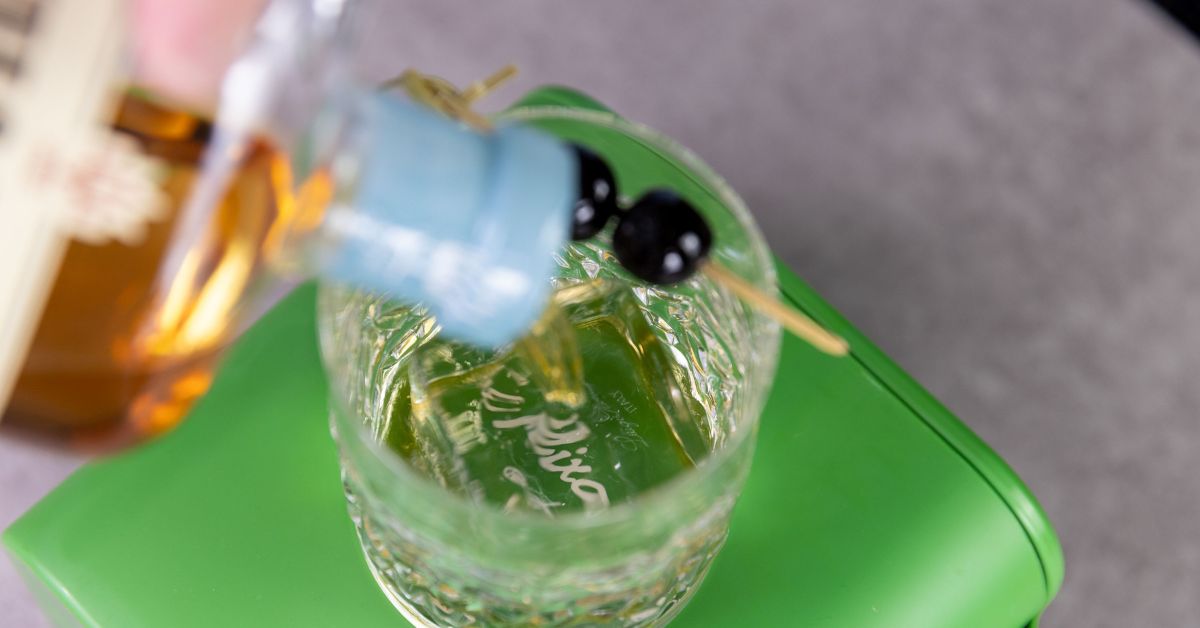
This is the complete home bar upgrade. The Top Shelf Old Fashioned Box — eight hand-selected bourbons including the exclusive Crescent City Reserve — bundled with two barware pieces that actually transform how the drink tastes and looks.
The Antarctic Clear Ice Cube Maker produces crystal-clear 2-inch cubes that melt slower, dilute less, and look exactly like what you'd get at a craft cocktail bar. The Max Infusion Cocktail Smoker adds a cloud of aromatic smoke, cherry, maple, or apple wood, that turns a classic Old Fashioned into something genuinely impressive to watch (and drink Dad will love).
Eight top-shelf bourbons. Crystal-clear ice. A cloud of aromatic smoke. That's how you make an Old Fashioned.
Everything arrives together, ready the moment he opens the box. No extra trips. No missing pieces. Just the best version of his favorite drink, fully equipped.
Best for: The dad who's serious about his home bar, or anyone who wants to give something he'll reach for every single time.

This is the one. Eight bourbons. Each chosen because it does something the others don't. And this year's edition includes something you genuinely cannot find anywhere else.
Exclusively in the 2026 Top Shelf Old Fashioned Box: Crescent City Reserve, a limited-release wheated bourbon created in collaboration with Wayne of @drinkswithwayne. Wayne designed this as a tribute to his favorite city—New Orleans and the deep cocktail culture it gave the world. The Sazerac. The Vieux Carré. The kind of bars where they take a drink seriously.
What makes Crescent City Reserve unlike most bourbons: nearly 45% wheat in the grain bill, far higher than the 15–20% in most wheated bourbons. That's what gives it that silky, soft finish. Bottled 101–110 proof. Flavor: sweet butter popcorn, caramel, gentle spice on the back end. The label is inspired by 1920s cocktail posters Wayne spotted at the Sazerac House in New Orleans.
This bourbon is only available in the Top Shelf Old Fashioned Kit, and only for a limited time.
Best for: The dad who's tried a lot of bourbons and wants something he's never had before.

Premium bourbon, aromatic bitters, cane sugar cubes, citrus garnish, bar tools. The king of classic cocktails, dialed in perfectly.

Restaurant-quality tequila cocktails at home. Top-shelf tequila, real citrus, everything needed to turn a Sunday into a celebration.
Eight servings of coffee-infused Espresso Martinis, whipped cream, pimento-stuffed olive. Strong, smooth, seriously cool.

Q: What makes a cocktail kit a good Father's Day gift?
A cocktail kit delivers a complete, elevated experience rather than a single product. When the right spirit is paired with the right bitters, sugar, and garnish, already portioned and ready to use, the result is noticeably better than anything assembled from a liquor store run.
Q: What is Crescent City Reserve bourbon?
Creescent City Reserve is a limited-release wheated bourbon created in collaboration with @drinkswithwayne, exclusively available in The Mixologer's Top Shelf Old Fashioned Box for Father's Day 2026. With nearly 45% wheat in the grain bill, it delivers an unusually soft, silky finish with notes of sweet butter popcorn, caramel, and gentle spice. Bottled 101–110 proof.
Q: Do you need bartending experience to use these kits?
Not at all. Every Mixologer kit is designed so that anyone can make a great cocktail on the first try.
Q: What's included in the Ultimate Old Fashioned Executive Bundle?
The Executive Bundle combines three of The Mixologer's most popular products: the Top Shelf Ultimate Old Fashioned Box (eight hand-selected bourbons, including the limited-release Crescent City Reserve), the Antarctic Clear Ice Cube Maker (8-count), and the Max Infusion Cocktail Smoker. It's designed as a complete home bar upgrade, everything he needs to make a legitimately great Old Fashioned, nothing missing.
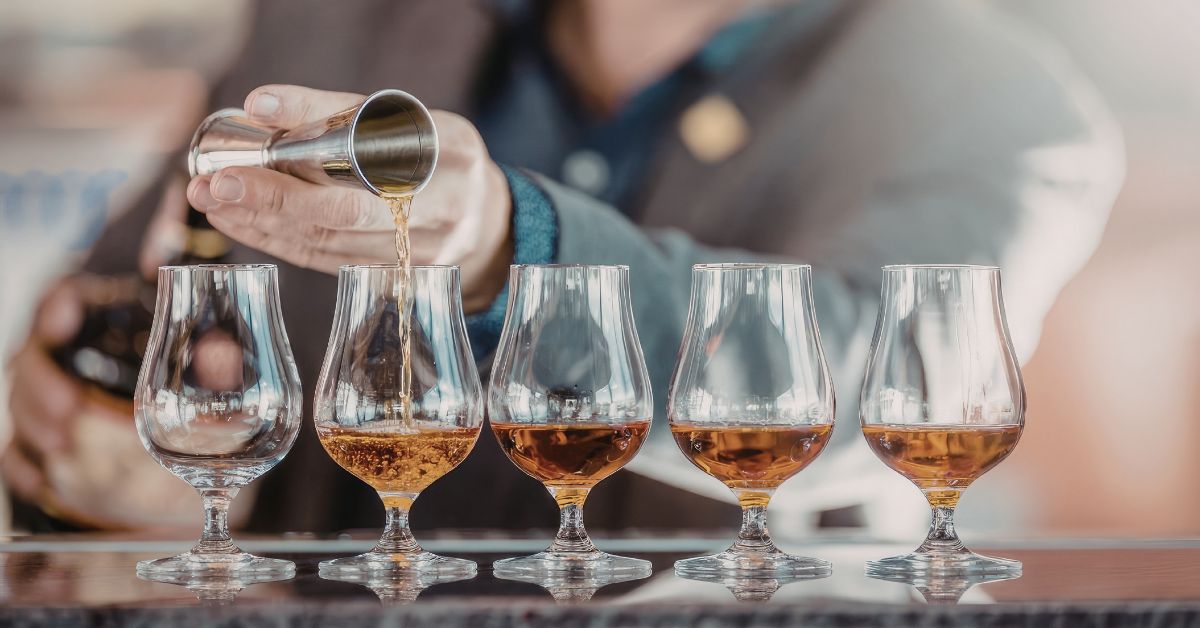

There are four types of whiskey most people encounter at a bar, bourbon, scotch, rye, and Irish, and they taste completely different from one another. The differences come down to three things: where it's made, what grains are used, and how it's aged. Once you understand those three variables, every whiskey starts to make sense.
All whiskey starts the same way: grain is fermented into a beer-like wash, distilled to increase the alcohol content, and then aged in oak barrels. That aging process is where most of the flavor comes from. The wood imparts vanilla, caramel, spice, and smoke, depending on how the barrel was treated and how long the spirit rested inside it.
The differences between types of whiskey come down to which grains are used, where it's made, and the production rules each style must follow.
Bourbon is a sweet, full-bodied American whiskey with notes of caramel, vanilla, and oak.
To legally be called bourbon, a whiskey must:
The high corn content is what gives bourbon its characteristic sweetness. The new charred oak requirement and no recycled barrels allowed, is why bourbon tends to be so rich in vanilla and caramel compared to other whiskeys.
Kentucky produces the vast majority of the world's bourbon (Maker's Mark, Wild Turkey, Woodford Reserve, Buffalo Trace), but bourbon can technically be made anywhere in the United States.
What it tastes like: Sweet up front, caramel, vanilla, sometimes a little dried fruit. Warmth through the middle. A long, slightly spicy finish that varies depending on the proof and the rye content in the mash bill.
Best for: An Old Fashioned, a Whiskey Sour, or just over a large ice cube.
Rye is an American whiskey made mostly from rye grain, drier, spicier, and more assertive than bourbon.
Like bourbon, rye whiskey must:
The shift from corn to rye changes everything about the flavor profile. Where bourbon leans sweet and mellow, rye leans dry and spicy, think black pepper, dried fruit, and baking spice. It's more aggressive, more complex, and holds up better when mixed with bold ingredients.
Rye whiskey was actually the dominant American whiskey style before Prohibition nearly wiped it out. It's had a major revival over the last decade, thanks in large part to the cocktail renaissance.
What it tastes like: Drier and more assertive than bourbon. Spice-forward, black pepper, cinnamon, sometimes a savory herbal edge. Less sweetness, more complexity.
Best for: A Manhattan or a Sazerac, cocktails where that punchy rye character is exactly what you want.

Scotch is a Scottish whisky (note the spelling, no "e") made primarily from malted barley, aged at least three years, and known for its depth and complexity, and in some regions, heavy smoke.
Scotch has strict rules too:
Scotch is the most regional of the major whisky styles. Where a bottle is from within Scotland tells you a lot about what it'll taste like.
The main Scotch regions:
What it tastes like: Highly variable by region. Generally more complex and drier than bourbon, with more obvious grain character and, depending on region, significant smoke.
Best for: Sipping neat or with a small splash of water, which opens up the aromatics considerably.

Irish whiskey is triple-distilled, made on the island of Ireland, and known for being exceptionally smooth and approachable, the easiest gateway into the whiskey world.
Irish whiskey rules:
The triple distillation process removes more of the harsher compounds, resulting in a cleaner, lighter spirit than most bourbon or Scotch. Irish whiskey rarely uses peated malt, which means it lacks the smokiness you find in Islay Scotch.
The big names like, Jameson, Redbreast, Tullamore D.E.W., Bushmills, represent a wide range from everyday sipper to serious collector bottle.
What it tastes like: Smooth, light, and approachable. Notes of green apple, honey, vanilla, and sometimes a gentle floral quality. Very little smoke.
Best for: On the rocks, with ginger beer (Irish Mule), or in a hot toddy.

| Bourbon | Rye | Scotch | Irish | |
|---|---|---|---|---|
| Country | USA | USA | Scotland | Ireland |
| Primary Grain | Corn (51%+) | Rye (51%+) | Malted barley | Barley (malted + unmalted) |
| Flavor Profile | Sweet, caramel, vanilla | Spicy, dry, peppery | Complex, earthy, sometimes smoky | Smooth, light, approachable |
| Aging Requirement | New charred oak | New charred oak | 3+ years in oak | 3+ years in oak |
| Smoke Level | None | None | Low to very high (region-dependent) | Usually none |
| Entry Point | Maker's Mark, Buffalo Trace | Rittenhouse, Bulleit Rye | Glenfiddich 12, Macallan 12 | Jameson, Redbreast 12 |
If you're new to whiskey: Start with Irish. The smoothness and approachability make it the lowest barrier to entry. Jameson on the rocks is a great first move.
If you want to make classic cocktails: Start with bourbon. An Old Fashioned or Whiskey Sour with a solid bourbon is where most people fall in love with the category.
If you already like bourbon and want more complexity: Try rye. A Manhattan made with rye instead of bourbon will show you exactly what the difference feels like in the glass.
If you want to explore something completely different: Try Scotch , start with a Speyside like Glenfiddich 12 before diving into peated Islay bottles.
No. Bourbon and scotch are two completely different whiskey styles. Bourbon is made in the United States from a corn-heavy mash bill and aged in new charred oak barrels. Scotch is made in Scotland from malted barley and aged in previously used oak casks. They share the same base category, whiskey, but share almost nothing else in terms of production or flavor.
The main difference is the primary grain. Bourbon must be at least 51% corn, which gives it a sweeter, fuller body. Rye must be at least 51% rye grain, which creates a drier, spicier, more assertive flavor. Both are made in the United States and aged in new charred oak barrels.
Scottish and Japanese producers traditionally spell it "whisky" (no e). American and Irish producers generally spell it "whiskey" (with an e). Both spellings refer to the same category of spirit, the difference is purely regional tradition and has no bearing on flavor or quality.
No. Irish whiskey is made in Ireland from a mix of malted and unmalted barley, typically triple-distilled for smoothness, and aged in used oak casks. Bourbon is made in the United States primarily from corn and aged in new charred oak barrels. They taste quite different, bourbon is richer and sweeter, Irish whiskey is lighter and smoother.
Single malt refers to a whisky made at a single distillery using 100% malted barley. It does not mean the bottle contains whisky from a single barrel, it can be blended from many barrels produced at that one distillery. Single malt Scotch is the most common use of the term, but single malt Irish whiskey and single malt American whiskey also exist.
Irish whiskey is generally the easiest starting point because of its smooth, light character. Jameson, Bushmills, or Tullamore D.E.W. are all approachable options. From there, a quality bourbon like Broken Boundaries or Buffalo Trace is the natural next step before venturing into rye or Scotch.
The four major types of whiskey, bourbon, rye, scotch, and Irish, each have their own rules, regions, and flavor identities. Bourbon is sweet and American. Rye is spicy and assertive. Scotch is complex, earthy, and sometimes smoky. Irish is smooth, light, and easy.
Start with the style that matches where you are right now, and don't be afraid to work through all four. Each one opens up a different side of what whiskey can be.
Want to start making great whiskey cocktails at home? Our Ultimate Old Fashioned Box comes with a premium bourbon chosen specifically for cocktails, everything you need, no guesswork required.

It may be time to shift from transactional to intentional.
Not: “What can we send?”
But: "What experience do we want to create?"
Corporate gifting hasn’t evolved much in the last decade. When anyone goes hunting for premium corporate gifts they find wine shipments, branded tumblers, holiday gift baskets assembled in bulk. They check a box, but they rarely build a relationship. And in today’s business environment, relationship-driven corporate gifting matters more than ever.
That realization is part of what led to the creation of The Mixologer. But the story started somewhere much simpler.
Who doesn't appreciate a well-crafted cocktail? Not the flashy kind. The balanced, intentional kind. Where every ingredient has it's role and no flavor goes unnoticed.
The trouble is every time you get a wild hair to make one at home, you run into the same issue: To make one or two cocktails, you need to buy full bottles of specialty ingredients. A full jar of cherries. Fresh citrus that expires. Liqueurs I might use once.
It can feel wasteful. Expensive. Overcomplicated. We think enjoying something premium should feel refined, not cluttered.
So we thought: What if we portioned everything precisely?
What if high-quality ingredients were curated in exact amounts?
What if we removed waste, overwhelm, and guesswork?
What if that experience could be delivered anywhere?
That was the beginning of The Mixologer. And unexpectedly, it became the blueprint for something much bigger.
As The Mixologer grew, we began hearing from sales leaders, HR directors, executive teams and corporate event planners. They hadn't set out looking for cocktail kits. They were searching for premium corporate gifts for clients, unique employee appreciation, executive gifts, ways to create connection. Most importantly, they were tired of sending generic gifts.
Then COVID hit and teams became dispersed. Client dinners disappeared. Holiday parties were canceled. Sales meetings went virtual. Organizations lost shared experiences. Suddenly, companies had a growing need to:
Strengthen client relationships remotely
Build culture with remote employee appreciation
Send corporate gifts that create personal connection
That’s when we realized the same problem we solved in home mixology existed in corporate gifting. Excess. Lack of intention. An inability to create a shared experience.
Too much stuff.
Too little intention.
Not enough experience (aka 0 connection).
Most corporate gifts are transactional. They’re bulk ordered, branded, shipped, and forgotten. No shared moment between sender and recipient, no lasting memory attached to the gesture. And if the send doesn’t create a memory, it's not strengthening your relationships. Client and employee touch points should feel intentional. The companies that win long-term don’t send more gifts. They send better ones.
If you’re in sales or leadership, you already understand relationships close deals, retain accounts, and drive referrals. The right corporate gift does more than sit on a desk. It creates a shared experience, sparks conversation, and reinforces the value of the relationship. That’s why there’s been a measurable shift toward experiential corporate gifts and premium curated gift boxes.
Not because they’re trendy. Because they work.
Through working with executive teams and business leaders, we’ve seen that effective corporate gifting follows three principles:
No clutter. No waste. No oversized filler items. Intentional curation that feels thoughtful and elevated.
Modern executive gifts should feel premium and design-forward. Not promotional. Your gift reflects your brand. It should feel refined.
The best corporate client gifts create a shared moment.
They get opened.
They get experienced.
They get talked about.
That’s what builds connection.
A curated cocktail kit accomplishes something most traditional gifts cannot: It creates a moment. Whether it’s a client appreciation gift, a luxury closing gift, a remote team celebration, executive thank-yous, or a corporate holiday gift box
It becomes part of an experience, not just another shipment.
And for corporate leaders, equally important we make group ordering is simple, multi-address shipping is handled, with elevated branding and white-glove fulfillment. Because scalable corporate gifting should never feel generic.
The Mixologer was never just about selling cocktail kits. It's about elevating human connection. In a business world increasingly driven by digital communication, shared physical experiences matter more.
When a client opens a beautifully designed cocktail experience, they don’t just see a gift. They feel intentionality and experience craftsmanship, they associate that moment with your brand.
That’s powerful. Corporate gifting is evolving.
The organizations rethinking how they show appreciation are strengthening relationships in ways that feel modern, strategic, and premium.
When done well appreciation, is not an expense. It’s relationship equity.
Click here to learn more about corporate gifting with The Mixologer.