 SHOP MOST POPULAR
 MIXOLOGY KITS
 BARWARE
 SPIRITS
 CONTACT US
Gifting has never been easier
Perfect if you're short on time or are unable to deliver your gift yourself. Enter your message and select when to send it.


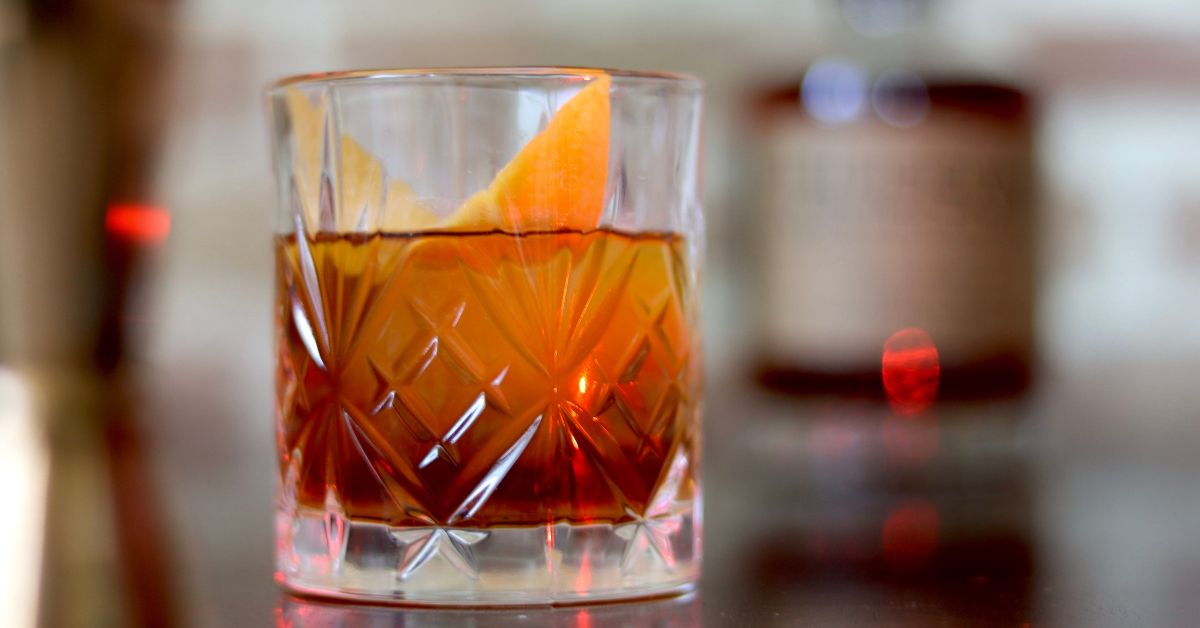

The Old Fashioned is one of the most searched cocktail recipes, but it’s more than just a cocktail. It’s one of the foundations of cocktail culture itself.
In fact, the earliest definition of a “cocktail” dates back to 1806, described simply as a mix of spirit, sugar, water, and bitters. That exact formula is what eventually became the Old Fashioned.
The now infamous name tells the history of the drink.
By the 1860s cocktail trends began to change and bartenders were experimenting with more ingredients and different flavor profiles. They layered liqueurs, elaborate syrups, and combinations that moved the concept of a cocktail far from it’s original four-ingredient form.
What we now refer to as "the old fashioned" fell out of style. But by the 1880s customers longed for simpler cocktails. No fancy liquers or excessive embellishments, they began ordering whiskey cocktails "the old-fashioned way," with whiskey, sugar, bitters, and water
The drink that came from that request eventually took the phrase as its own name.
What those customers were asking for is what we call an old fashioned today; 2 oz whiskey, a small amount of sweetener, two dashes of bitters, and a strip of citrus peel. Build it over ice, stir until cold, and express the peel over the top.
This guide covers the full method, the right proportions, and the details that matter, like why dilution isn't just a side effect of stirring, and why the sweetener you choose shapes the drink more than you'd expect.

Makes: 1 cocktail
Glass: Rocks glass (lowball)
Technique: Build and stir
1.5-2 oz bourbon or rye whiskey
.25 oz demarara syrup
2-3 dashes orange or Angostora Bitters
1 Orange peel/twist
1 Large clear ice cube
1. Add demerara syrup and bitters (no ice yet)
Add a small amount of demerara syrup to a glass (a cocktail mixing glass if you have one), followed by 2–3 dashes of bitters.
This sets the foundation of the drink and ensures the sweetness is already fully integrated.
2. Add whiskey
Pour in your whiskey, bourbon or rye depending on your preference.
In an Old Fashioned, the whiskey sets the direction of the drink, shaping the overall profile.
3. Add ice and stir
Add a large clear ice cube, then stir gently for about 20–30 seconds.
This chills the drink and introduces controlled dilution. Larger, denser ice melts more slowly, helping maintain the structure of the drink.
Shaking isn’t used here, as it over-aerates the liquid and disrupts the texture. Stirring keeps everything smooth and integrated.
4. Express citrus oils
Take an orange peel and express the oils over the glass, then drop it in.
This adds aroma and a final layer to the drink.
5. Adjust and serve
Give it a final taste and adjust if needed.
* The steps are simple, but details like dilution, ice, and ingredient balance are what shape the final result.
For a more consistent approach, use an Old Fashioned cocktail kit or cocktail kit for home, where the ingredients are already balanced and portioned to bring the drink together the way it’s intended.

At it’s core the old fashioned is a spirit-forward cocktail built on four elements: whiskey, sweetener, bitters, and citrus oil. That’s it. A simple structure that’s stayed relevant for over a century.
It’s remained a staple on cocktail menus around the world. You’ll find it everywhere from neighborhood cocktail spots to high-end bars, and it’s been a go-to across generations. A longtime favorite of real and fictional figures alike, including Frank Sinatra and Don Draper.
A great Old Fashioned is built around a simple idea: The whiskey is the star, and everything else works around it.
The sweetness softens the edges without taking over. Bitters add structure and aroma without calling attention to themselves. Even dilution, something most people don’t think about, plays a role in bringing the drink into harmony.
When you get the ratios right and it all comes together, the result feels smooth, intentional, and complete.
Before anything else, the whiskey sets the direction of the drink. Because an Old Fashioned is spirit-forward, that choice shapes everything that follows.
Bourbon and rye each create a different expression of the same cocktail. Neither is better, it simply comes down to preference.
Bourbon brings a softer, rounder character with vanilla and caramel notes. It works naturally with the sweetener and makes for an approachable, easy-drinking Old Fashioned. If you're newer to spirit-forward cocktails, bourbon is a natural starting point.
Rye is drier and spicier. It has a sharper profile that sits closer to the drink's historical roots, and it produces a less sweet, more complex result. If you want something with more edge, rye changes the character noticeably.
Neither is the "right" choice. The same recipe made with each produces two distinct but equally valid drinks. Worth trying both. More about bourbon and rye in our blog here.
This is one of the most overlooked details in the recipe.
A basic sugar cube technically works, but it doesn't always fully dissolve during stirring, collecting at the bottom of the drink instead of blending into it. The result can feel uneven from sip to sip. One moment it's fine, then the final third of the drink is noticeably sweeter.
Demerara syrup, made from raw cane sugar, blends more completely and adds a subtle warmth and depth that plain white sugar doesn't have. It blends more seamlessly, adding a subtle depth and warmth that rounds out the drink. It’s a small upgrade that changes the entire experience.
Simple syrup works in a pinch. But once you've made an Old Fashioned with good demerara, the difference is hard to ignore. More on how demerara syrup compares to other sweeteners in our blog post here.
Bitters are easy to underestimate. They’re used in such small amounts that they can feel almost optional. But they’re often what separates a drink that tastes fine from one that feels complete.
Two dashes doesn't look like much. It's barely a teaspoon. But bitters are what give the Old Fashioned its structure.
They add aromatic complexity, a dry, herbal, spiced undertone, that keeps the drink from feeling one-dimensional. Without them, you have sweetened whiskey. With them, you have a cocktail. Angostura is the standard choice for good reason: its clove and spice profile works with both bourbon and rye without competing with either.
You may not consciously notice bitters when they're in the glass. You'll notice when they're missing. More about bitters in our blog post here.
Stirring for 20–30 seconds isn't about getting the drink cold. It's about dilution.
As the ice melts slightly during stirring, it softens the alcohol's edge and helps the whiskey, sweetener, and bitters knit together. A drink that's stirred properly feels smoother and more cohesive than one that's poured over ice and left alone. The ingredients don't just coexist, they integrate.
Under-stir, and the drink feels sharp. Over-stir, and it becomes watery. Thirty seconds at a calm, steady pace is the window.

Most disappointing versions don't fail dramatically, they just feel slightly off. The sweetness takes over and the whiskey disappears. Or the drink feels sharp and disconnected, like the ingredients never settled together. Or there's depth missing, and you can't quite name why.
In most cases it comes down to one of three things: the ratios are off (usually too much sweetener), the sweetener didn't integrate (sugar cube problem), or there wasn't enough stirring. Getting those three details right accounts for most of the difference between a fine Old Fashioned and a great one.
The Old Fashioned has lasted because the formula works. Four elements, the right ratios, and a little patience in the stirring, that's the whole recipe.
The challenge isn't complexity. It's getting the details right consistently: the sweetener that integrates properly, the bitters that add structure without dominating, the stirring that brings it together.
If you'd rather start with ingredients that are already dialed in, The Mixologer's Old Fashioned cocktail kits come with everything pre-portioned and balanced; the whiskey, the demerara syrup, the bitters. Everything in the right ratio, ready to build.
Bourbon is the most common choice, its softer, sweeter profile works naturally with the drink's other elements. Rye is a drier, spicier alternative that produces a less sweet, more complex result. Both work well. Avoid anything too heavily peated or too delicate, as the other ingredients can easily overpower it.
Yes, and many bartenders prefer it that way. Demerara syrup blends more completely than a sugar cube and adds a subtle warmth that plain simple syrup doesn't have. If you don't have demerara, regular simple syrup works. A sugar cube is traditional, but inconsistent dissolution is a real drawback.
Stirring keeps the drink clear and controls dilution. Shaking aerates the cocktail, dilutes it more aggressively, and creates a cloudy texture that doesn't suit a spirit-forward drink. Spirit-forward cocktails are always stirred, the goal is integration, not emulsification.
Expressing means twisting the peel to release the oils from the skin over the drink. You're not adding juice; you're misting aromatic citrus oils across the surface, which adds a bright, fragrant note to the aroma without changing the flavor of the liquid.
One large cube is ideal. It melts more slowly than standard cubes, which means slower dilution and better control over the drink as you sip it. If you don't have a large cube, 3–4 standard cubes work fine just drink it at a slightly faster pace.
Yes. At 2 oz of whiskey with minimal dilution, the alcohol content stays high, typically around 30–35% ABV in the glass. It's meant to be sipped slowly, not consumed quickly.